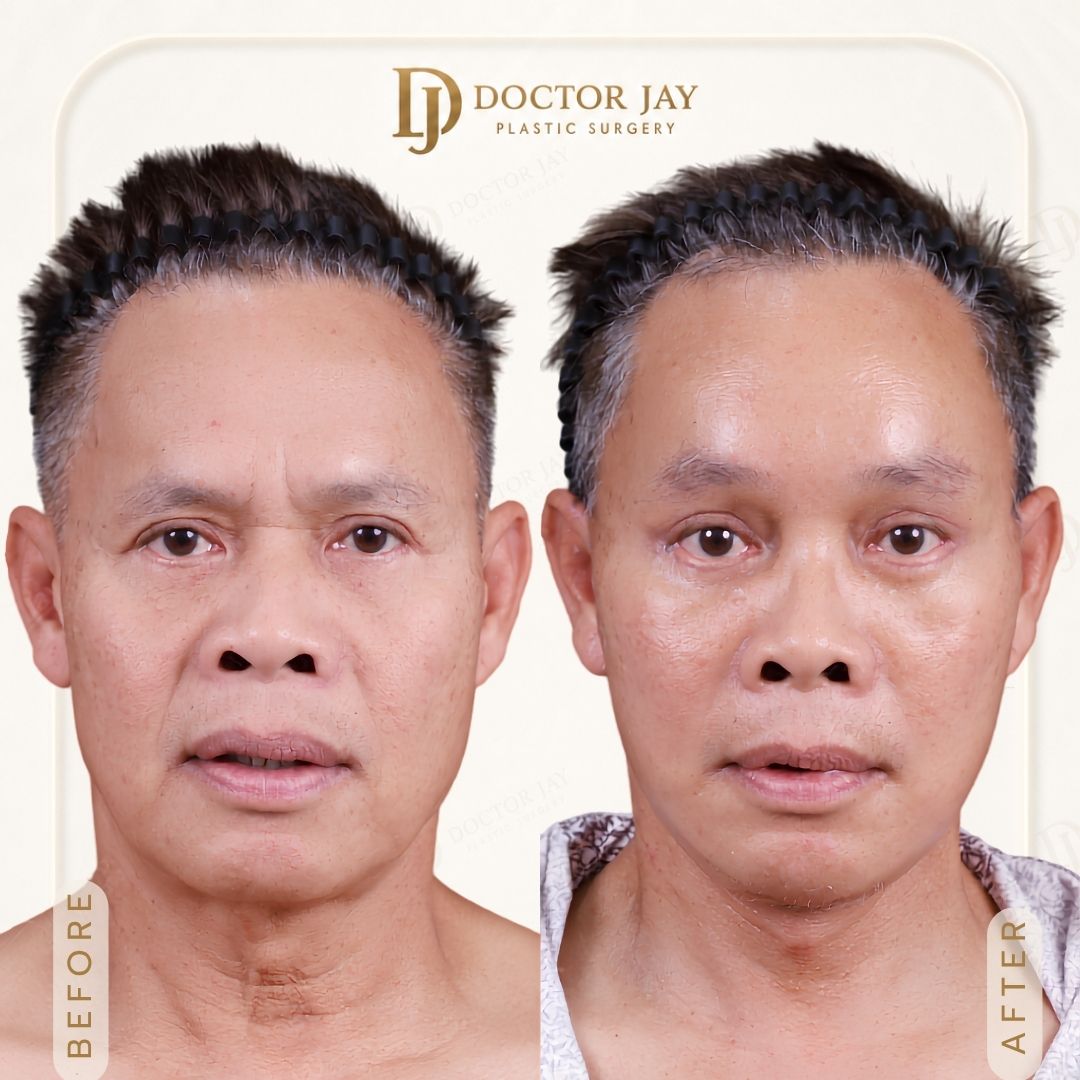
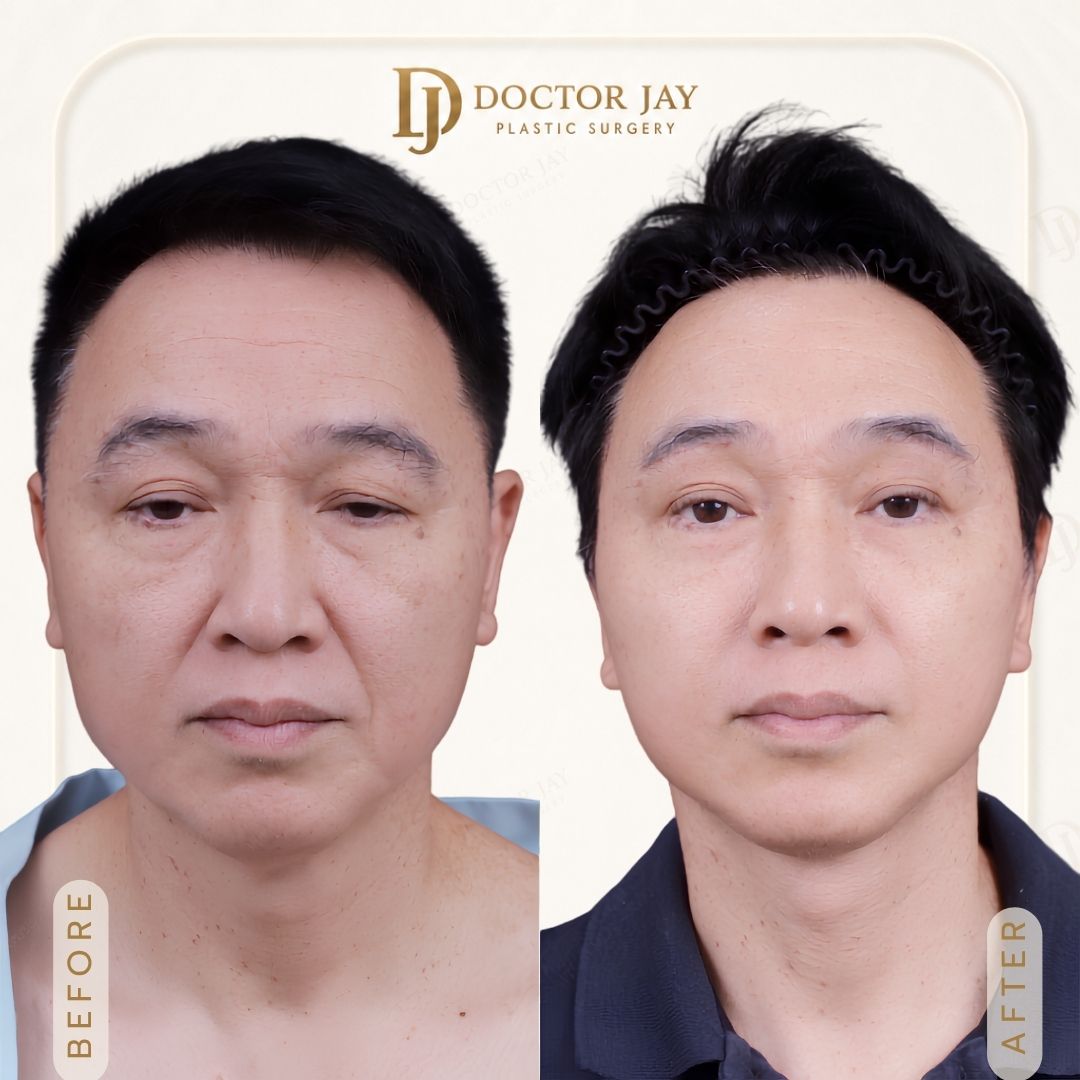
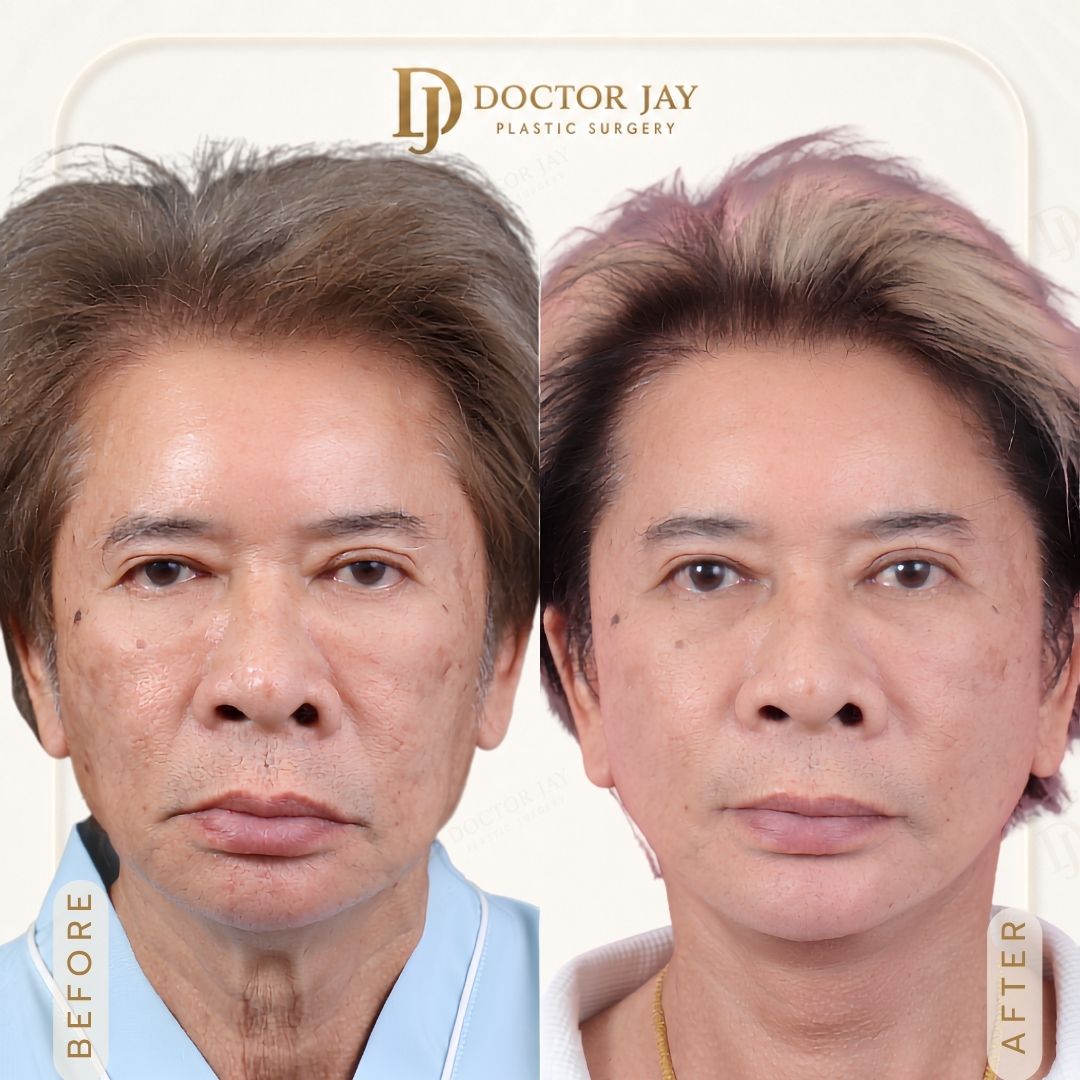
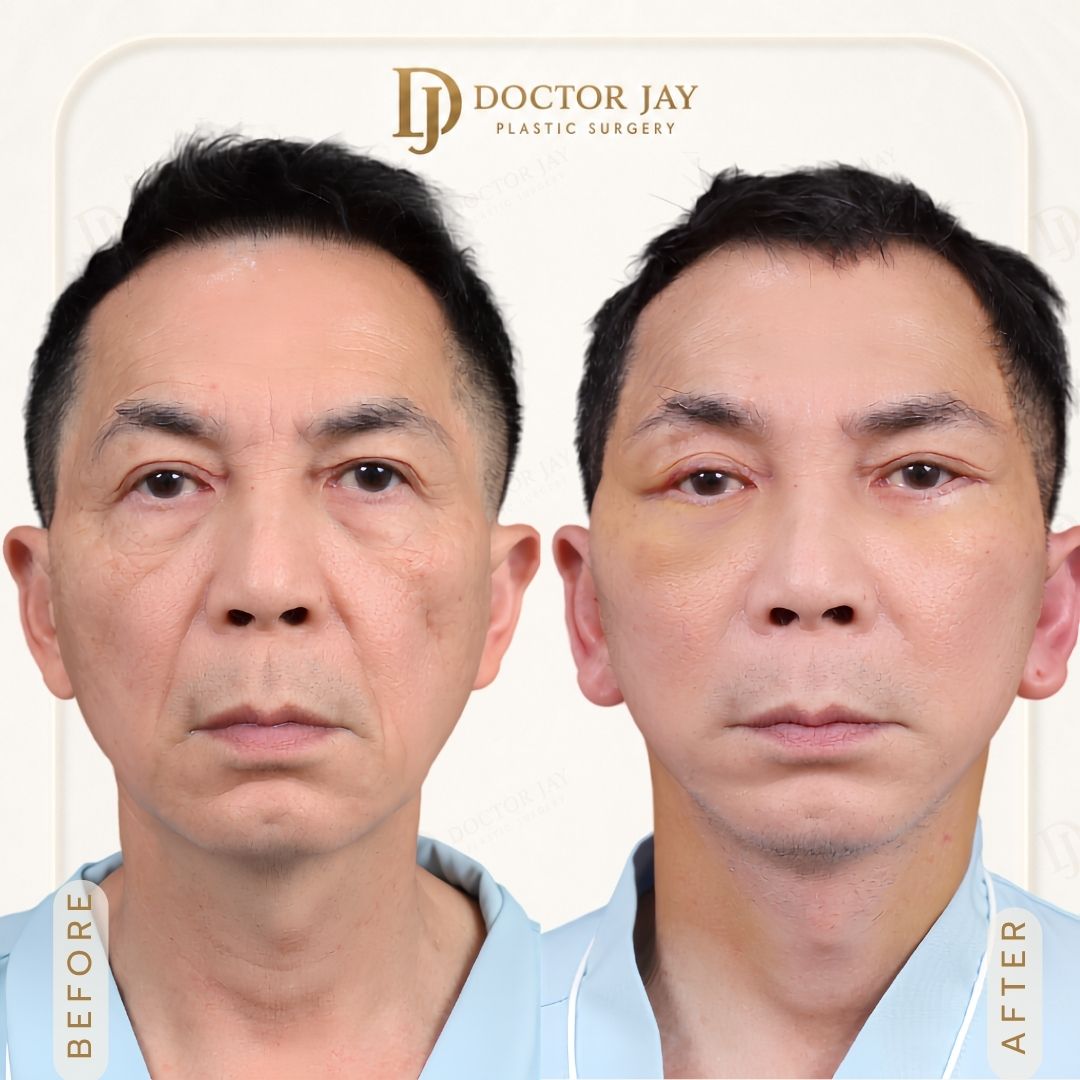
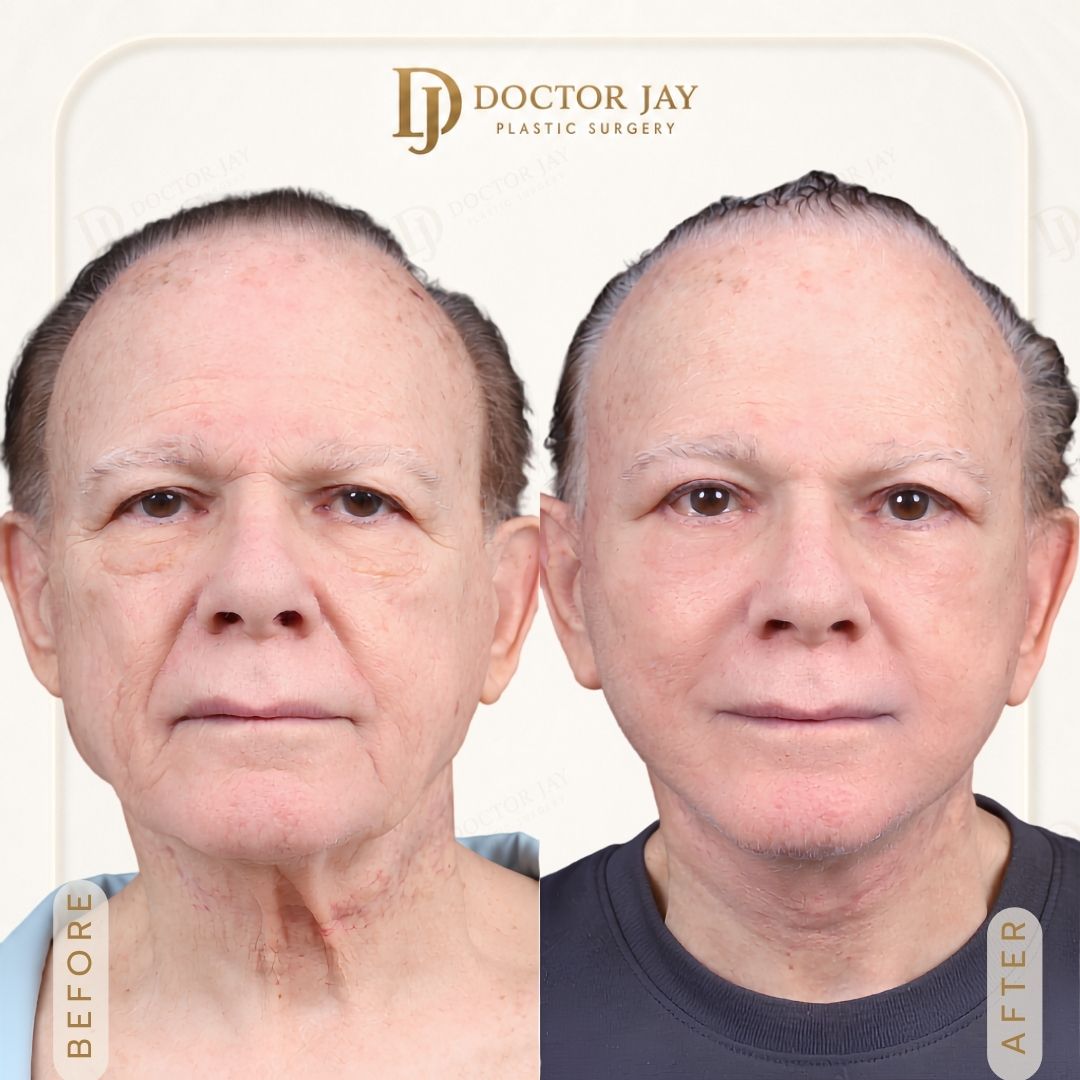
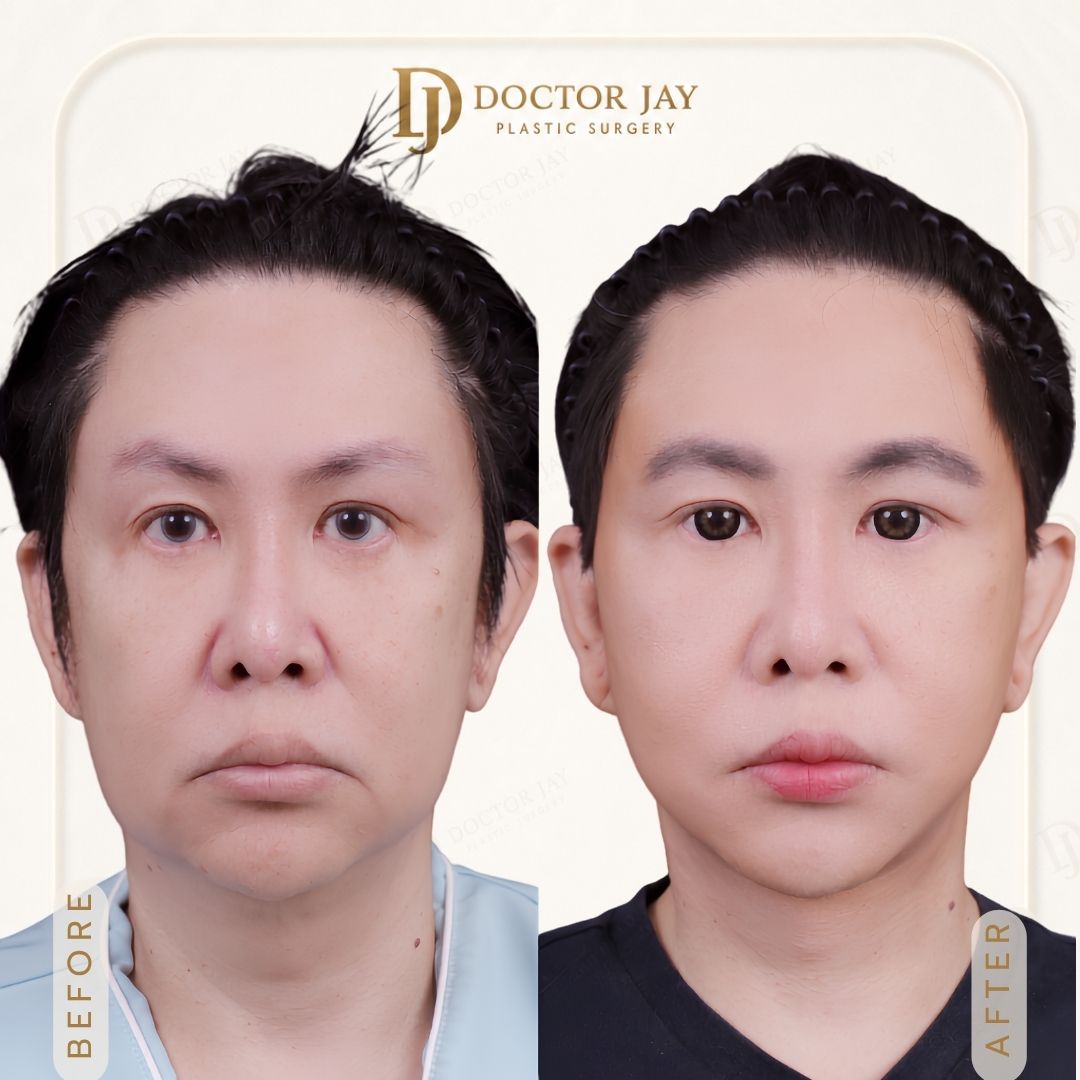
Addresses protruding lower-eyelid fat or under-eye bags that create a tired appearance.

Assesses deep under-eye hollows and the orbital rim to plan a smoother contour.

Appropriately addresses excess skin and laxity of the lower eyelid.

Creates a soft transition from the under-eye to the cheek without making the eyes look hollow or harsh.

Many people think lower-eyelid surgery simply removes under-eye bags. In reality, concerns often involve several factors together, including protruding fat, loose skin, deep tear troughs, the orbital rim, and mid-cheek volume loss.
“The goal is not to make the under-eye area as flat as possible, but to create a brighter, smoother contour that preserves the face’s natural beauty.”


Skincare, rest, and selected treatments may improve hydration or some darkness. However, when the main concern is protruding fat, loose skin, or a structurally deep tear trough, external skincare alone may not adequately address it.

The Lower Eyelid Recontour Program is lower-eyelid surgery designed to address under-eye bags, tear troughs, laxity, and wrinkles. It evaluates not only localized fat but also the relationship between the under-eye area, mid-cheek, and overall facial structure.

Suitable for patients with prominent lower-eyelid fat but minimal skin laxity, often younger or middle-aged patients whose main concern is protruding fat.

Suitable for patients with both under-eye bags and loose skin, such as prominent wrinkles, excess lower-eyelid skin, or lower-eyelid laxity.